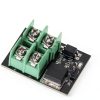
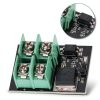
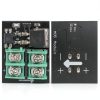
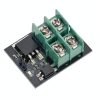

Description
Product Overview
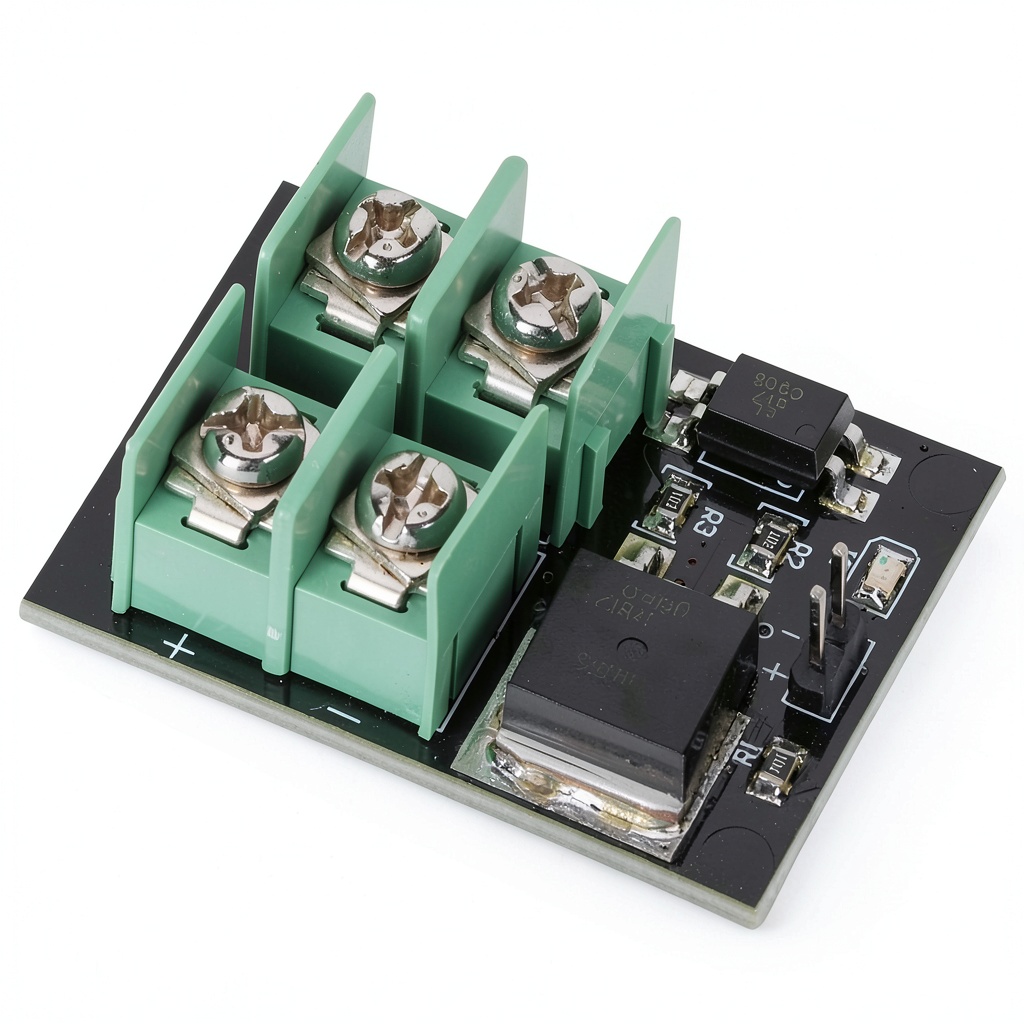
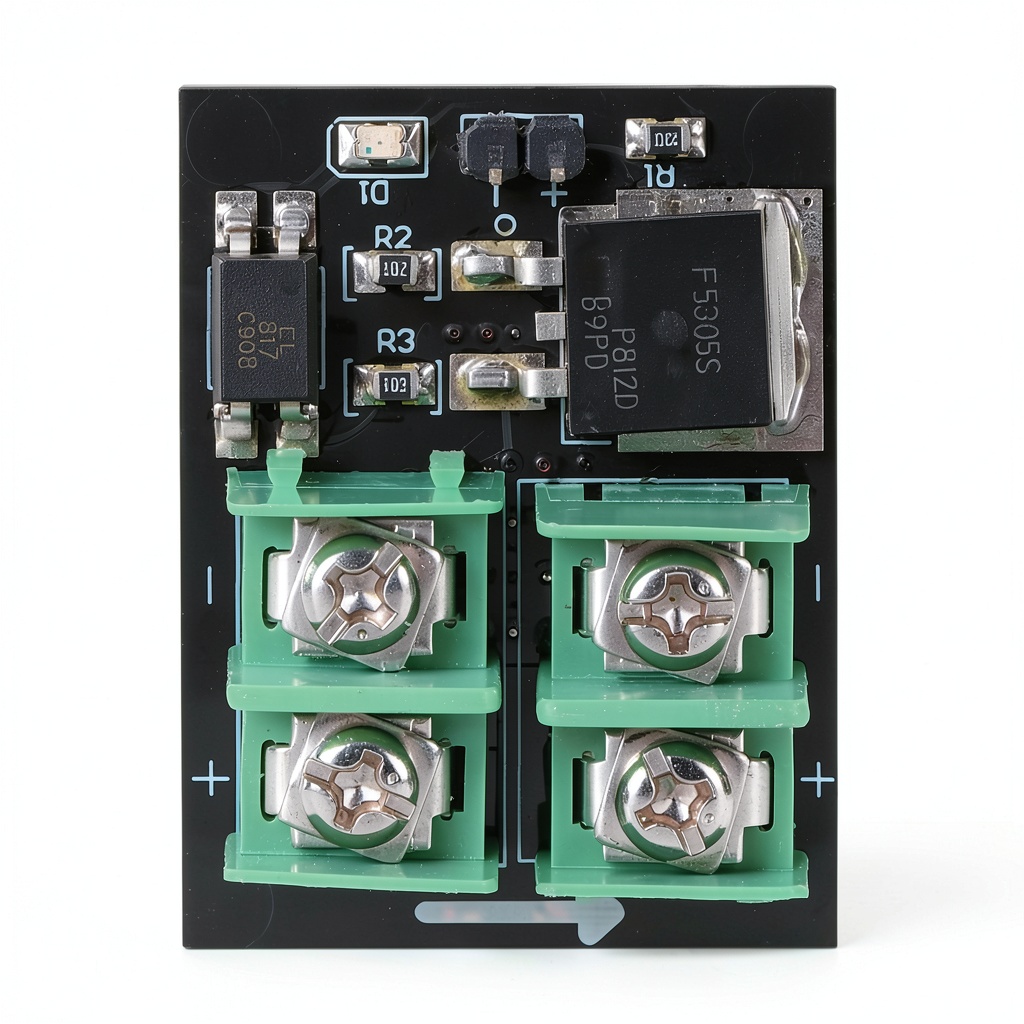
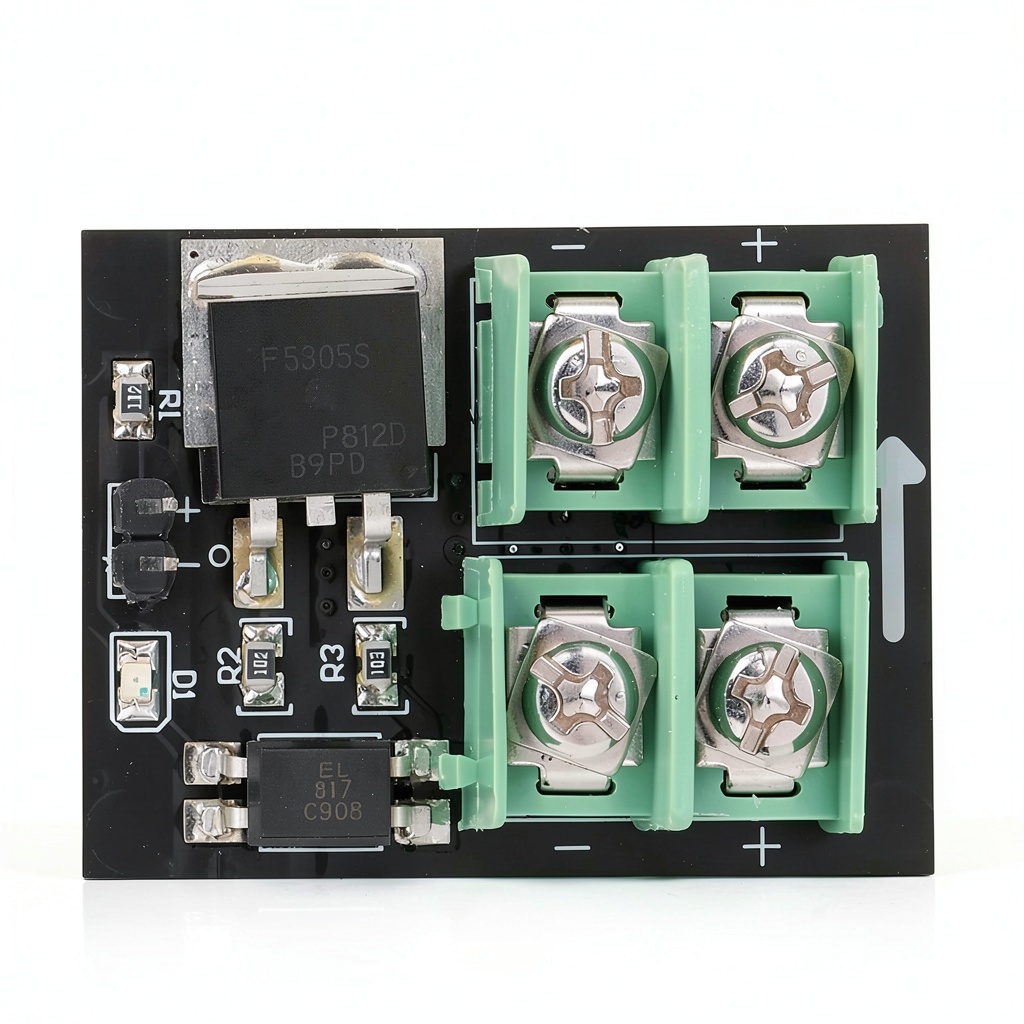
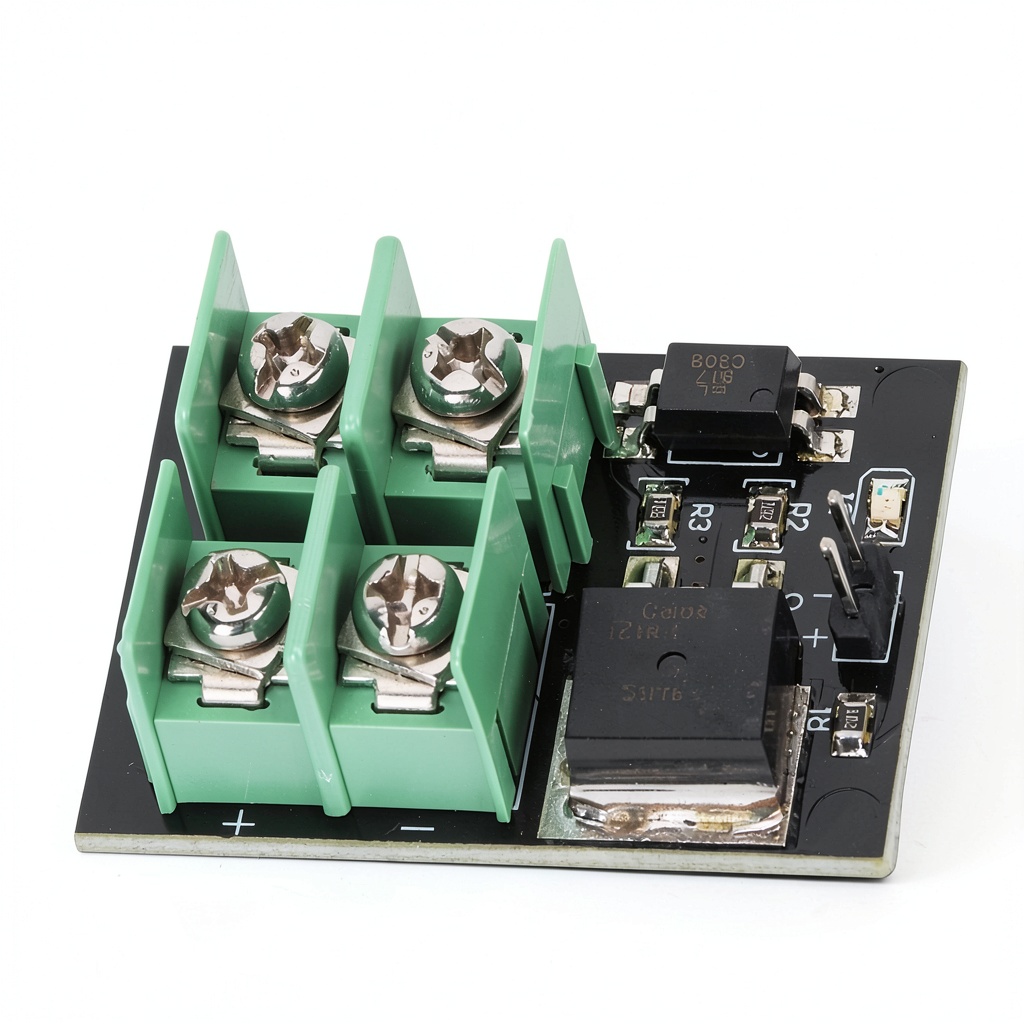
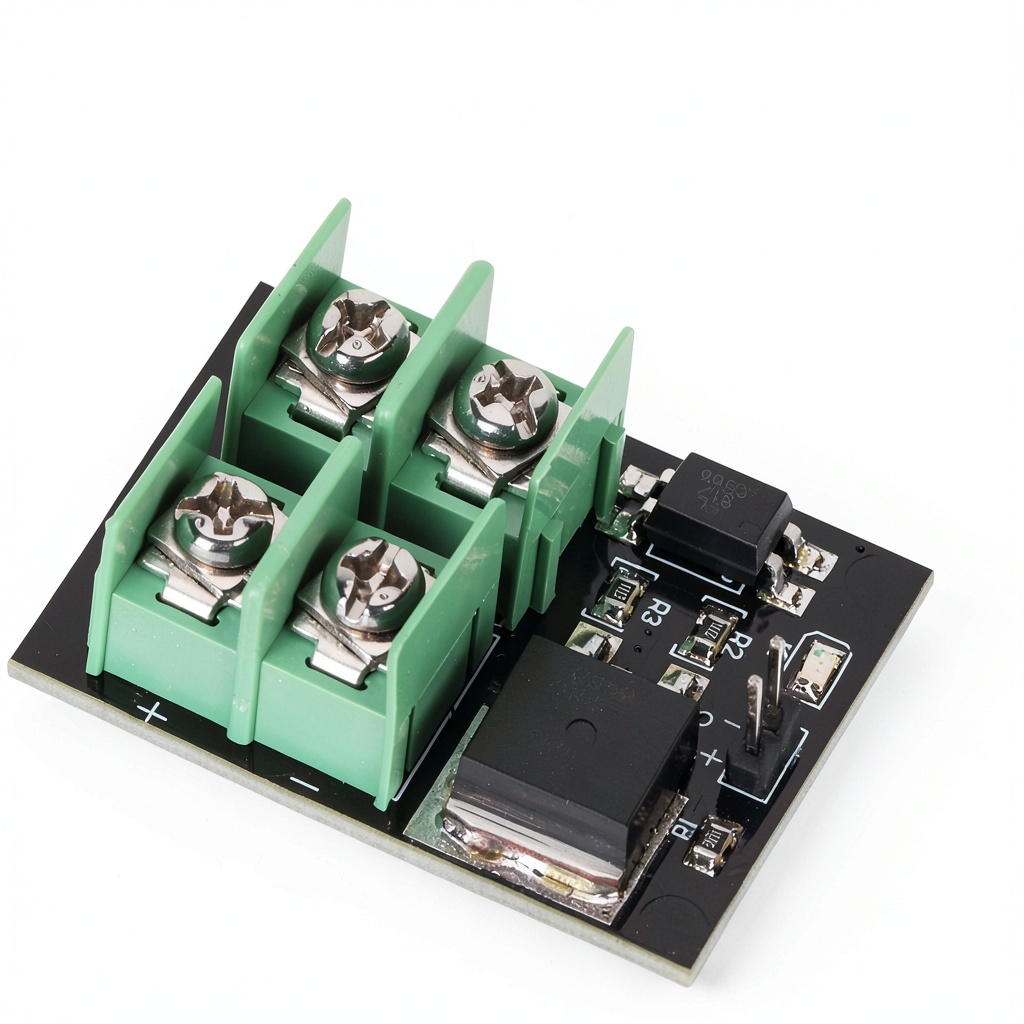
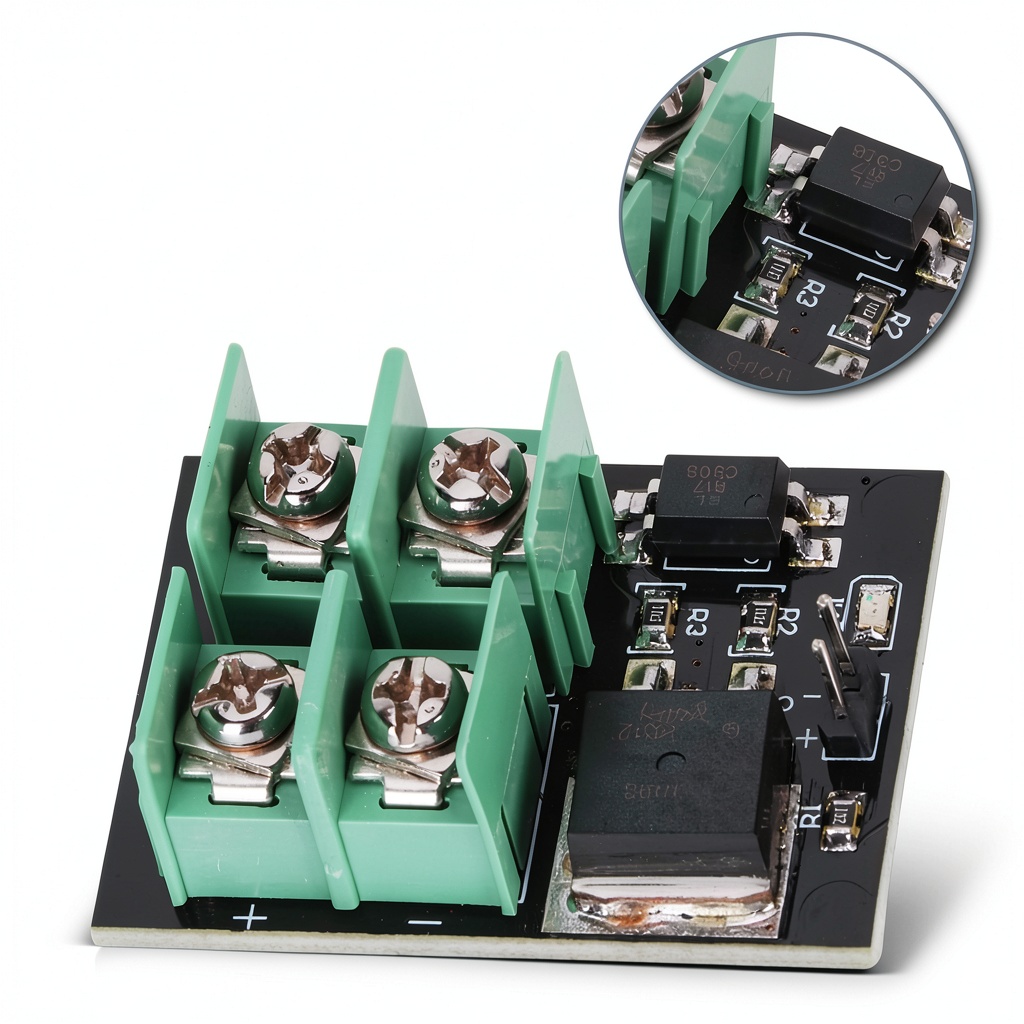
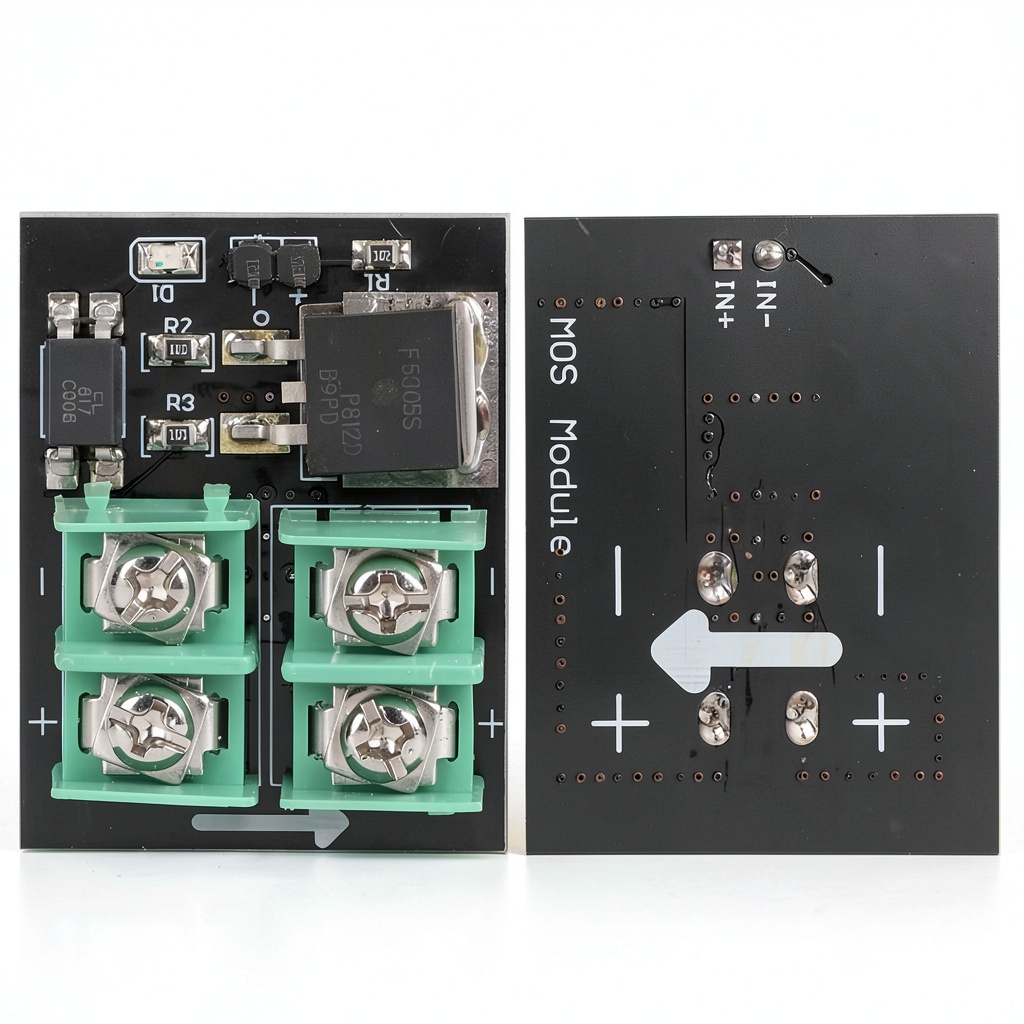
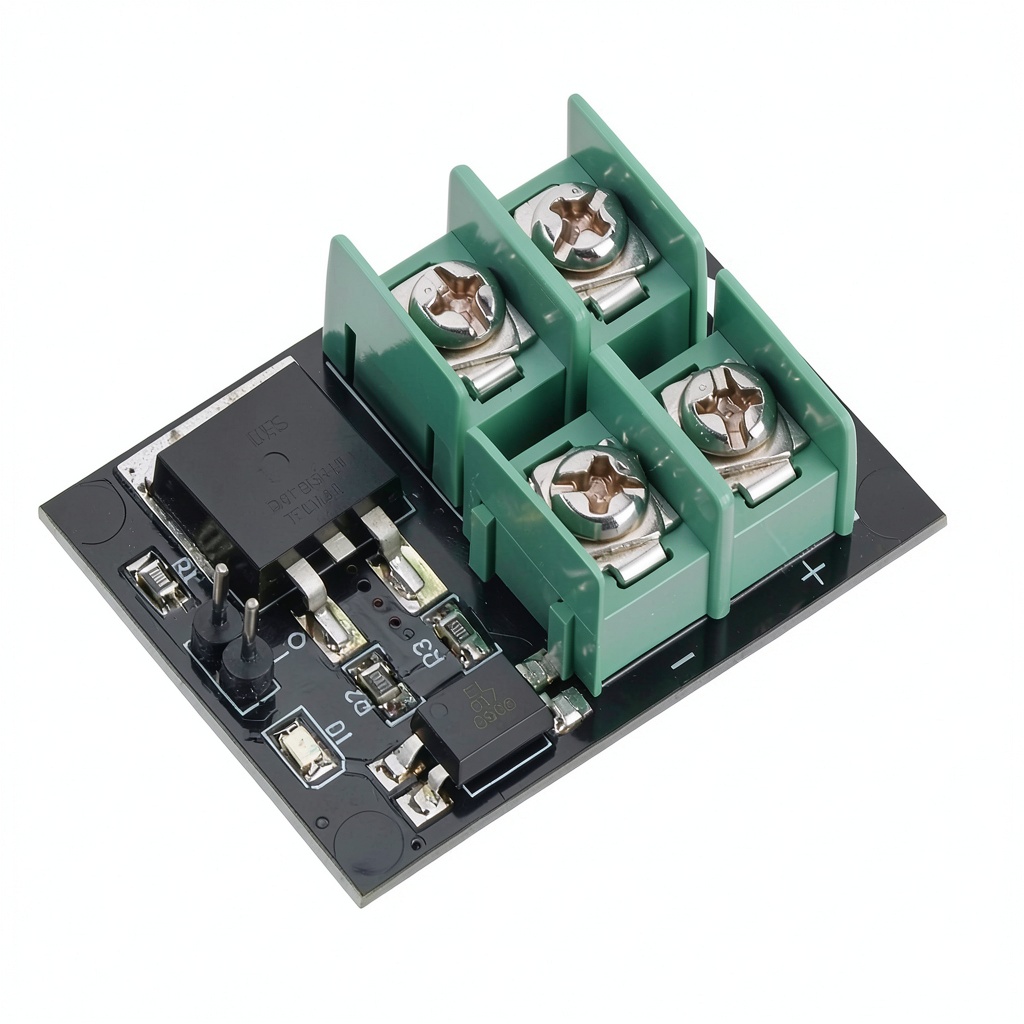
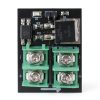
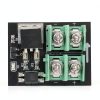
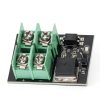
The aqxreight MOSFET Switch Module is engineered to bridge the gap between low‑voltage microcontroller logic and higher‑voltage power loads up to 36 volts. Built on a compact board measuring 1.57 × 1.18 × 0.79 inches, the module incorporates a high‑current N‑channel MOSFET, an optically isolated gate driver, and a set of screw‑terminal connectors that simplify wiring while maintaining a robust mechanical connection. The optical isolation layer guarantees that the control side, typically operating at 3 V to 5 V, remains electrically separated from the load side, protecting sensitive microcontroller pins from voltage spikes, inductive kick‑back, and ground loops. With a control current requirement of only 5 mA, the module draws minimal power from the host controller, making it suitable for battery‑powered or energy‑constrained applications.
In addition to basic on/off switching, the module supports pulse‑width modulation (PWM) signals, allowing precise control of motor speed, LED brightness, or any other load that benefits from variable duty cycles. The board’s layout includes a dedicated ground plane, decoupling capacitors, and a protective diode network that together enhance thermal performance and reduce electromagnetic interference (EMI). The component selection follows industry‑standard specifications, ensuring a drain‑source voltage rating of 60 V and a continuous drain current capability of 5 A, which provides ample headroom for most hobbyist and prototype projects.
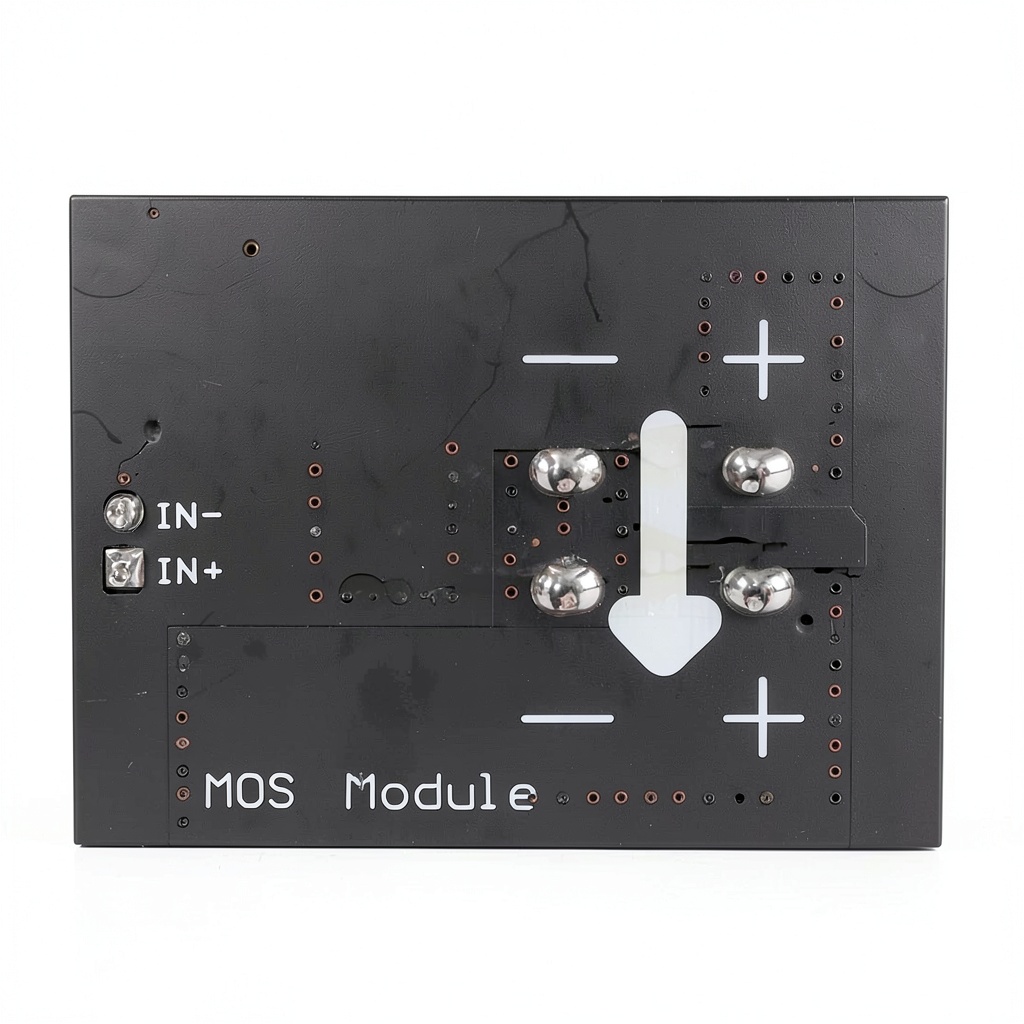
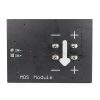
All parts are sourced from reputable manufacturers, and the final assembly undergoes a functional test that verifies optical isolation integrity, PWM response accuracy, and load handling capability. The module’s lightweight design (0.42 oz) and low profile enable easy integration into dense PCB layouts or enclosure‑mounted configurations, while the clear silkscreen labeling assists engineers during rapid prototyping and debugging.
The thermal design incorporates a copper heat spreader directly beneath the MOSFET die, allowing efficient dissipation of heat generated during high‑current operation. When the module is used at its maximum rated current, the temperature rise remains within safe limits, and the built‑in thermal shutdown circuitry will automatically protect the device if excessive heating occurs. The board also complies with RoHS guidelines, ensuring that no hazardous substances are present, which is important for environmentally conscious developers and for meeting regulatory requirements in many regions.
Usage
Designed with versatility in mind, the MOSFET Switch Module finds application across a broad spectrum of projects. In robotics, it can drive DC motors, stepper motor drivers, or solenoid actuators, providing smooth acceleration and deceleration through PWM‑based speed control. For lighting installations, the module enables dimming of high‑brightness LEDs or control of multiple LED strips from a single microcontroller pin, while the optical isolation safeguards the controller from voltage fluctuations caused by long cable runs.
Embedded systems that require isolation, such as industrial sensor interfaces, power‑monitoring stations, or remote‑controlled relays, benefit from the module’s ability to handle up to 36 V loads without exposing the low‑voltage logic to hazardous conditions. The screw‑terminal block simplifies field wiring, allowing technicians to secure wires of various gauges without soldering, which reduces assembly time and improves maintenance reliability. The module also integrates seamlessly with popular development platforms like Arduino, ESP32, Raspberry Pi Pico, and STM32, as the input voltage range of 3 V‑5 V matches the native I/O levels of these boards.
For example, a hobbyist can connect the module to an Arduino Uno to drive a 24 V DC pump in an automated garden irrigation system. By sending PWM signals from the Arduino, the pump speed can be adjusted to match soil moisture levels measured by a separate sensor, creating a closed‑loop watering solution. Similarly, an engineer designing a portable LED lantern can use the module to dim a series of high‑efficiency LEDs from a 12 V battery pack, extending runtime while providing adjustable illumination for camping or emergency use.
Why Choose Us
Choosing the aqxreight MOSFET Switch Module means selecting a product that combines rigorous engineering, quality assurance, and user‑centric design. Each unit undergoes a multi‑stage testing process that includes isolation voltage verification, thermal cycling, and load endurance checks, ensuring that the module performs reliably under continuous operation and in demanding environments. The optical isolation technology employed is a proven method for eliminating ground‑loop interference, which is a common source of erratic behavior in mixed‑signal systems.
Our commitment to customer support extends beyond the point of sale. Buyers receive comprehensive documentation that includes wiring diagrams, PWM timing guidelines, and troubleshooting tips. In addition, a dedicated technical support team is available to assist with integration challenges, firmware tuning, or custom application advice. The module’s competitive price point of $8.20 reflects a balance between cost efficiency and high‑performance components, making it an attractive choice for both hobbyists and small‑scale manufacturers.
We stand behind the durability of our product with a one‑year limited warranty that covers manufacturing defects and premature failures. The module has been CE‑marked and conforms to IEC 60947‑5‑1 standards for low‑voltage switchgear, giving you confidence that it meets international safety and performance criteria. Our supply chain partners undergo regular audits, and each batch is traceable, which helps maintain consistent quality across large production runs.
Key Features
- Optical isolation protects microcontroller pins from high‑voltage spikes, ensuring safe operation.
- PWM compatible design enables precise speed and brightness control for motors and LEDs.
- Screw‑terminal block provides quick, solder‑free wiring for a variety of wire gauges.
- Low 5 mA control current minimizes power draw from the host controller.
- Responsive technical support and detailed documentation help users integrate the module quickly.
FAQ
What voltage range can the module safely switch?
The module is rated for a drain‑source voltage up to 60 V, and it can reliably switch loads ranging from 12 V to 36 V, making it suitable for most low‑to‑medium voltage applications. This rating also provides a safety margin when the module is used with transient spikes.
Is the module compatible with 5 V logic levels?
Yes, the gate driver accepts input voltages from 3 V to 5 V, which aligns with the logic levels of common microcontrollers such as Arduino, ESP32, and STM32 families. The input threshold is well within the logic high level of these devices, guaranteeing reliable switching without additional level‑shifting components.
Can I use the module to drive a brushed DC motor with PWM?
Absolutely. The MOSFET’s high current rating and fast switching characteristics allow you to control motor speed via PWM, while the optical isolation prevents back‑EMF from affecting the controller. The module’s fast turn‑on and turn‑off times reduce audible noise and improve efficiency, which is especially beneficial for battery‑operated devices.
How does the optical isolation work?
Inside the module, a small optocoupler separates the control side from the power side. When the microcontroller outputs a signal, the optocoupler’s LED activates, which in turn triggers the MOSFET gate without any direct electrical connection, providing complete voltage isolation. The optocoupler’s isolation voltage is typically 5 kV, far exceeding the voltages encountered in typical hobby projects, adding an extra layer of protection.
What kind of wiring is recommended for high‑current loads?
For loads approaching the 5 A continuous current limit, use adequately sized copper wire (e.g., 22 AWG or larger) and ensure tight screw‑terminal engagement. Adding a heatsink to the MOSFET can further improve thermal performance during prolonged operation. Additionally, keep the wiring short and use proper strain relief to avoid mechanical stress on the terminals.
Reviews
There are no reviews yet.