
Description
Product Overview
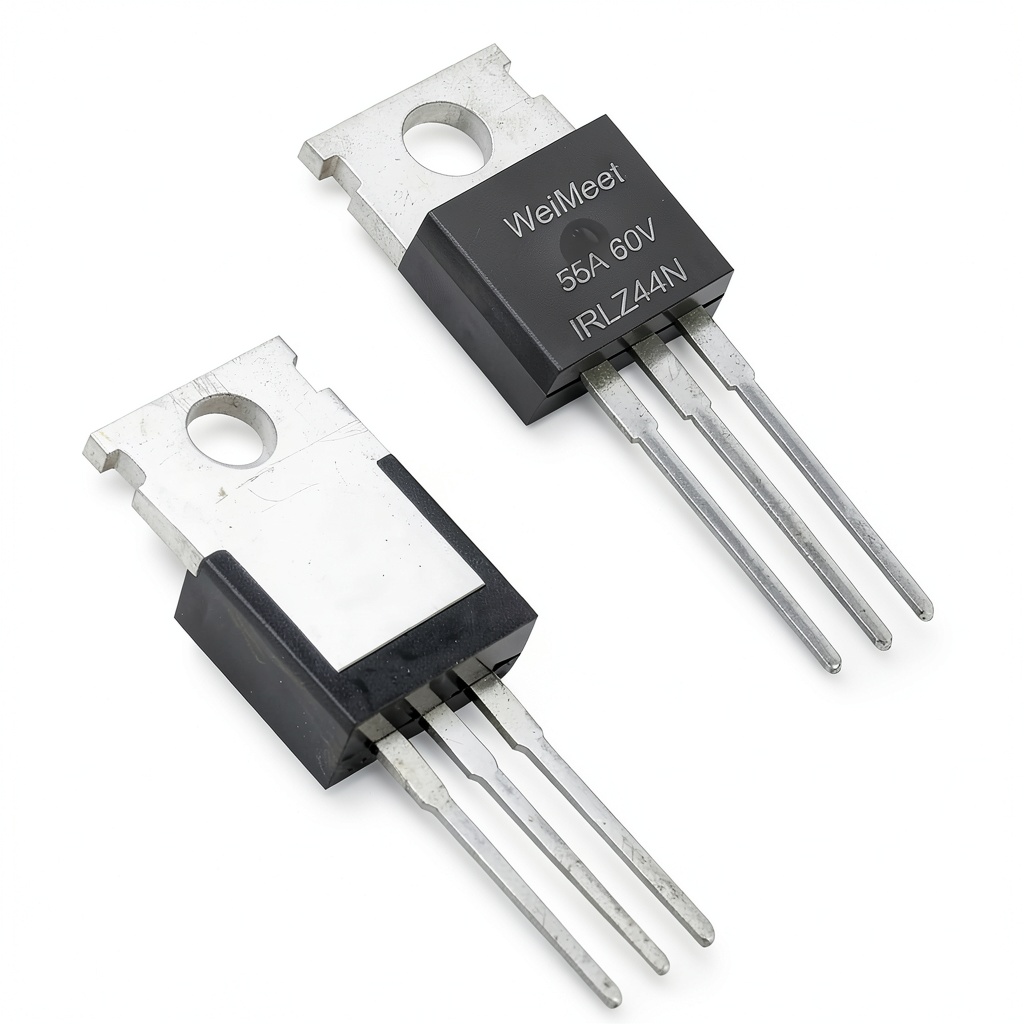
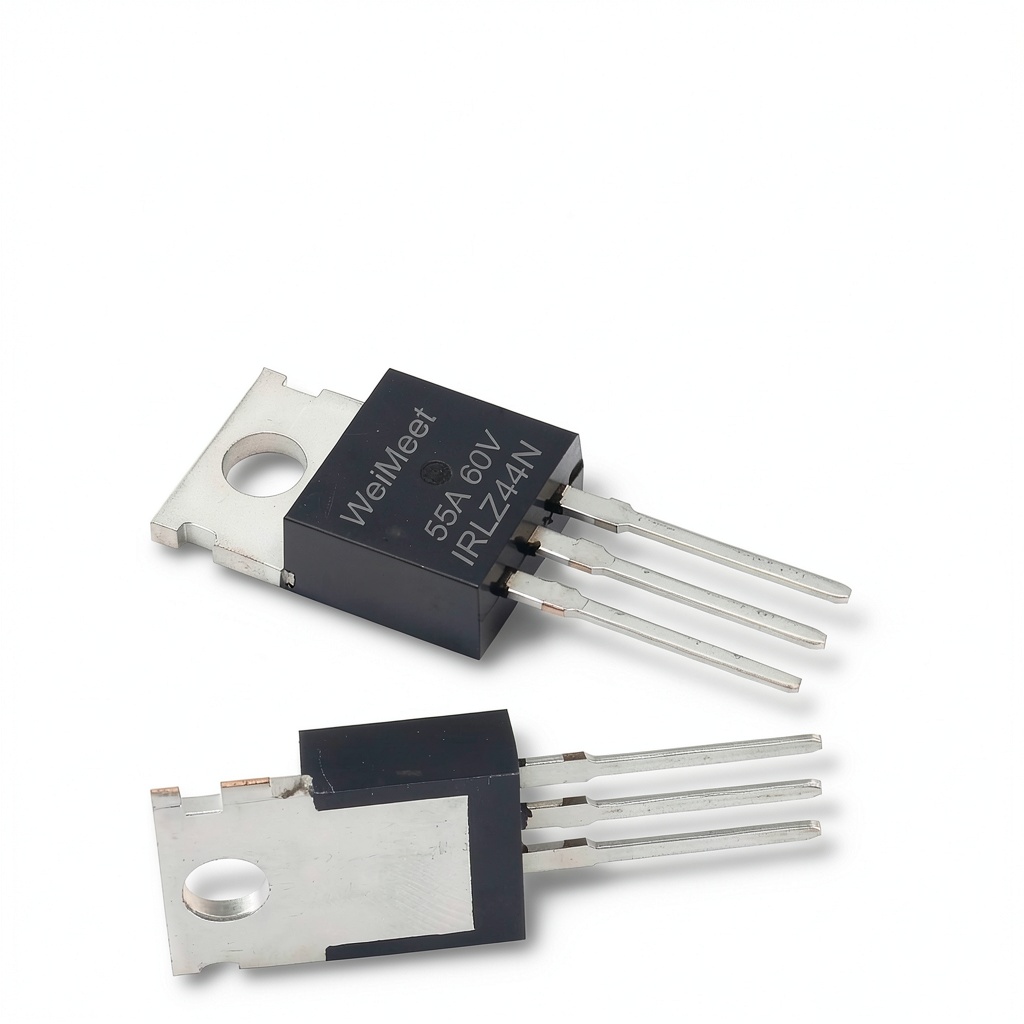
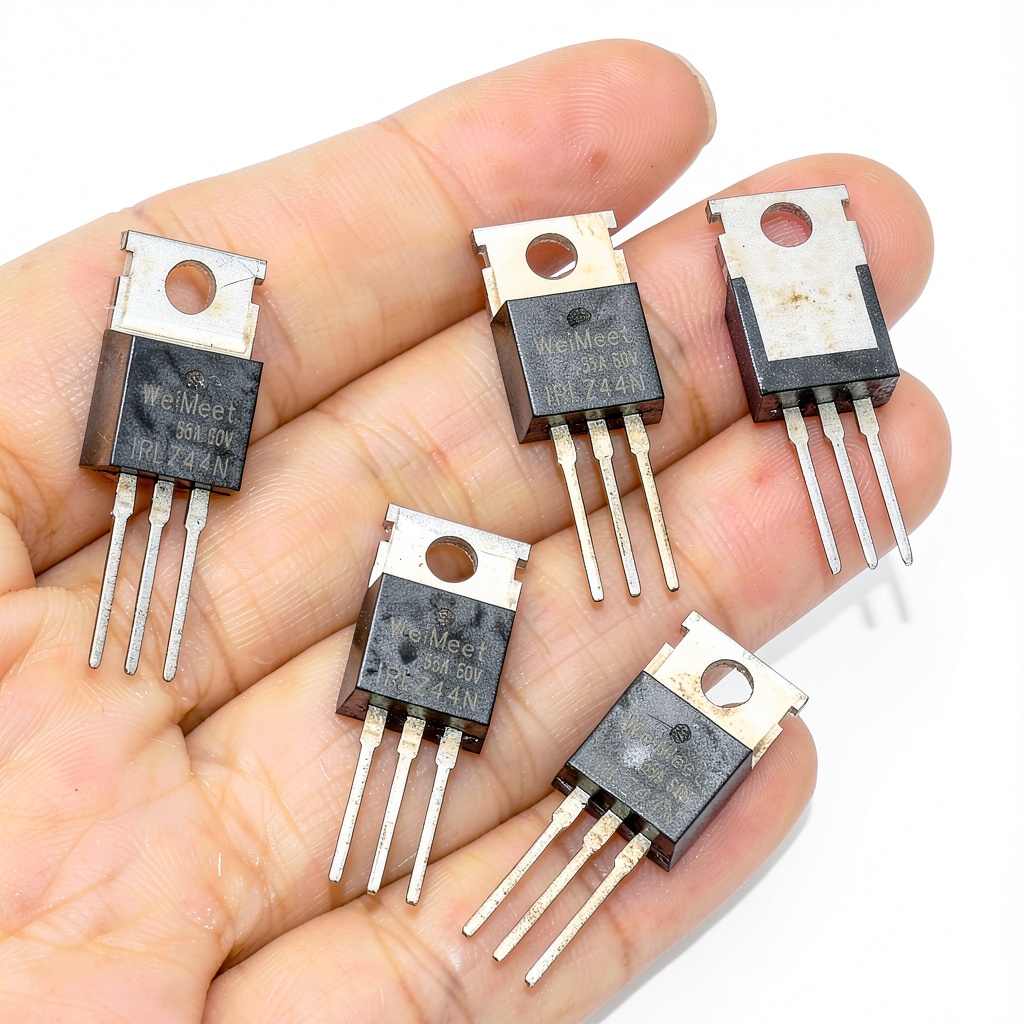
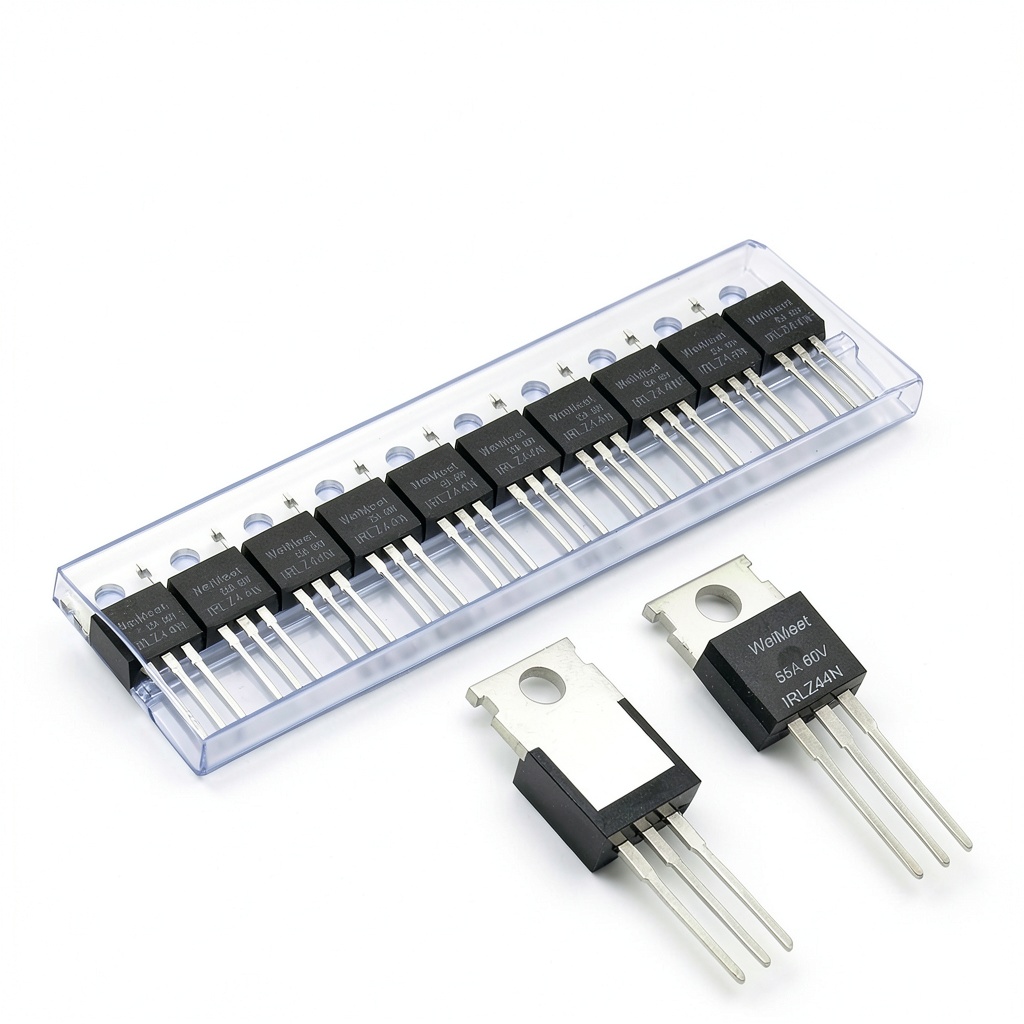
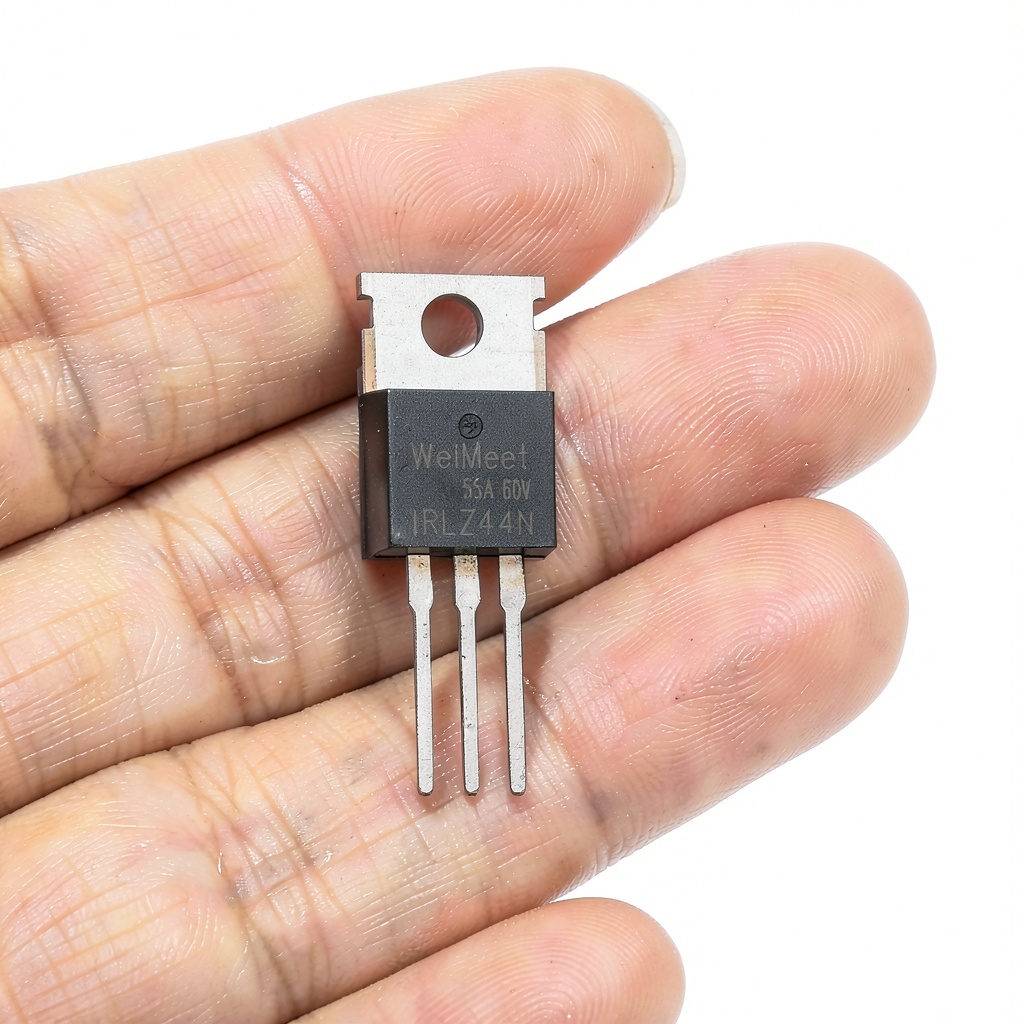
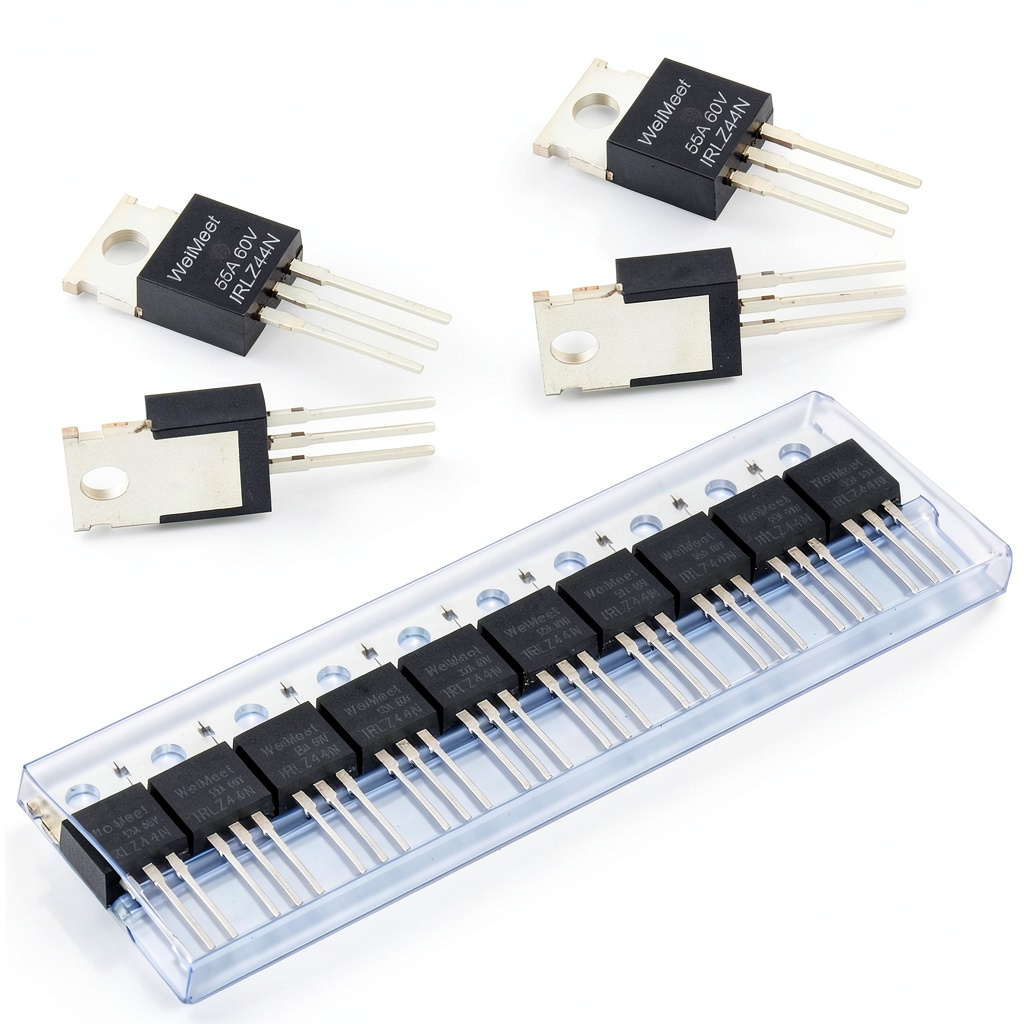
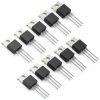
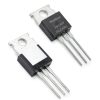
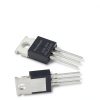
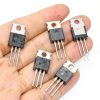
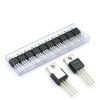
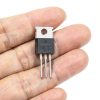
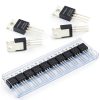
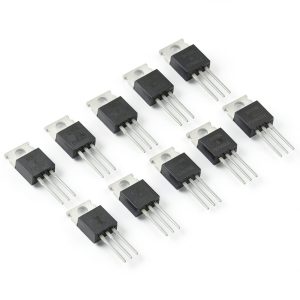
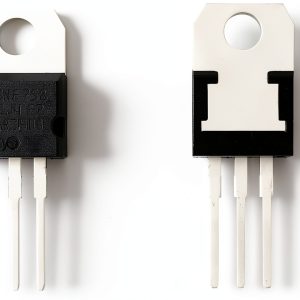
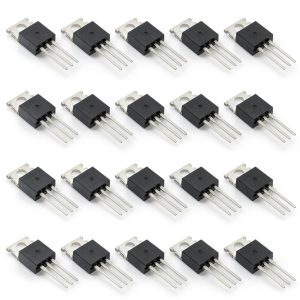
The IRLZ44N MOSFET from WeiMeet is engineered for demanding power management tasks. With a rated continuous current of 55 A and a maximum voltage of 60 V, it provides a strong balance of current handling and voltage tolerance. The device is housed in a TO‑220 package that offers excellent heat dissipation, allowing it to sustain high power densities up to 110 W. Advanced silicon processing gives the transistor a high ESD (electro‑static discharge) robustness, reducing the risk of damage during handling and installation. Its logic‑level gate threshold means it can be driven directly from low‑voltage microcontrollers, eliminating the need for additional driver circuitry. The part’s specifications include a low on‑resistance, fast switching times, and a reliable thermal performance that makes it suitable for a wide range of industrial and scientific applications.
![[Product front view showing all components]](https://www.strideahead.store/wp-content/uploads/2026/07/3fe08e533f5f4e8794f64b9a8c6fa1ec.jpg)
Usage
Designed for versatility, the IRLZ44N finds use in power switching modules, motor control drives, and uninterruptible power supply (UPS) systems. Its high current capability makes it ideal for driving loads such as solenoids, relays, and LED arrays where rapid on/off control is required. The MOSFET’s fast transition characteristics support high‑frequency switching, which is essential in pulse‑width modulation (PWM) converters and switching regulators. In industrial environments, the device can be incorporated into inverter circuits, DC‑DC converters, and battery management systems, providing reliable performance under harsh temperature variations. Hobbyists and engineers alike benefit from its logic‑level gate, enabling straightforward integration with Arduino, Raspberry Pi, and other low‑voltage platforms without the need for complex driver stages.
Why Choose Us
WeiMeet’s commitment to quality is reflected in the rigorous testing and manufacturing processes applied to every IRLZ44N unit. Each transistor undergoes comprehensive electrical characterization to verify its current rating, voltage tolerance, and thermal resistance, ensuring consistent performance across production batches. The company employs a special process technology that enhances ESD protection, extending the component’s lifespan even in environments with frequent electro‑static events. Customers receive a product backed by a responsive technical support team that can assist with design integration, troubleshooting, and optimization advice. Additionally, WeiMeet offers a clear warranty policy and fast replacement services, reinforcing confidence in long‑term reliability for critical applications.
Key Features
- High current capacity of 55 A enables control of demanding loads with confidence.
- Logic‑level gate threshold allows direct interfacing with low‑voltage microcontrollers.
- Robust TO‑220 package provides superior heat dissipation for high‑power operation.
- Enhanced ESD protection reduces risk of damage during handling and installation.
- Responsive after‑sales support and warranty ensure peace of mind for engineers.
FAQ
What is the maximum power dissipation for the IRLZ44N?
The device can dissipate up to 110 W when mounted on an appropriate heat sink, provided that the ambient temperature and thermal resistance are kept within the specified limits.
Can this MOSFET be driven directly from a 3.3 V microcontroller?
Yes, the IRLZ44N features a logic‑level gate threshold that typically turns on fully at voltages as low as 2.5 V, making it compatible with 3.3 V logic without additional driver circuitry.
Is the TO‑220 package suitable for surface‑mount applications?
The standard TO‑220 package is primarily designed for through‑hole mounting, but variants with a lead‑frame can be adapted for surface‑mount use with proper PCB layout and thermal considerations.
How does the high ESD capability benefit my design?
Enhanced ESD protection helps prevent latent damage caused by static discharge during assembly or field handling, improving overall reliability and reducing failure rates in sensitive applications.
What cooling methods are recommended for high‑current operation?
For currents approaching the 55 A limit, it is advisable to use a sizable heat sink with thermal paste, and in some cases active cooling such as a fan may be required to maintain safe junction temperatures.
Reviews
There are no reviews yet.